



LESSON 2
How to Approach Casual Game Creation
8 min read
Intro
Like so much in life, your success as a casual game creator is largely determined by your approach. And while Astrocade is ultimately meant to be an unrestricted creative space, successful games are more often than not the product of at least some foresight and planning. This lesson will demonstrate two vital steps in that process: finding your game’s core mechanic, or the “verb” at the heart of the experience, and planning everything that comes after that.
RULE TO REMEMBER
“Core Game Mechanic First”
In the previous lesson, we learned that casual games are generally built around a core game mechanic that defines the play experience. Given how central this mechanic is to your game (and given that there’s only one of them!) it should come as no surprise that this is a very important decision. That’s why casual game creation generally follows this simple, powerful rule:
“Core gameplay mechanic first, everything else second.”
That means polish, effects, backstory, and extra features come only after the core mechanic is established. And it demonstrates why testing is so important in casual game creation. After all, if everything in your game depends on this first decision, you’d better have good reason to believe you’ve made the right one!
The Best Games Are Built from the Inside Out
It’s best to think of your game’s “core” mechanic in a literal sense, as it’s truly the heart of your game. As such, everything else—fancy visuals, extra features like an upgrade shop or in-game currency, and backstory or character bios, are all layers built around that mechanic. So if the mechanic itself isn’t good, it’s like building on a shaky foundation.
Keep this visual in mind as you create your game, following this expanding pattern from the core to the outermost layer of polish.
Example: Building from the Core Outward in Candy Crush
Let’s make this diagram more practical by applying it to the game Candy Crush and its famous Match 3 mechanic.
Imagine how much effort went into that first version—the visual detail, the special effects and atmosphere, the characters and environments, and even the interface.
Now imagine how much of a risk the developers would be taking if they weren’t already certain that the core Match 3 gameplay was dialed in just right!

But wait… where does the idea for the game mechanic itself come from?
Where do game mechanics come from?
A good game mechanic is the product of a subtle but clever kind of brilliance, which makes them rare things. Coming up with a truly original one from scratch is no small feat, easily on par with writing a platinum pop song or inventing a joke no one’s ever told. Some game designers do it, of course (including some of our own Astrocade creators!) but it’s not the norm. Here’s a rough idea of how it typically breaks down:
- Rare: Every so often, lightning strikes and the game’s creator invents a new mechanic from scratch, then builds their game around it.
- Common: In the vast majority of cases, however, the game’s creator is one of many—perhaps hundreds—to build a game around a classic, tried-and-true mechanic.
- …Emerging: More and more, inspiration for new game concepts is coming from interesting places far from the world of gaming. More on this in a moment.
The vast majority of casual games are at least partially inspired by games that came before. In these cases, the originality of the mechanic is far less important than overall quality of the execution. Take a look at the history of the venerable match-3 mechanic, for instance:
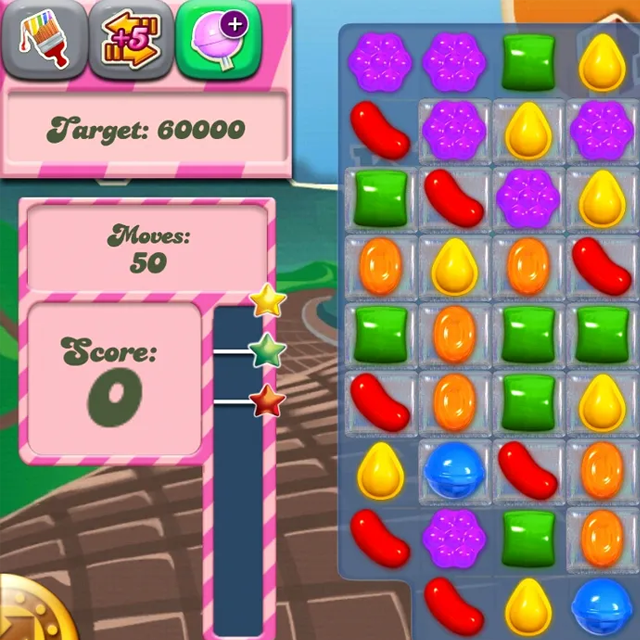
Candy Crush reinvented the match-3 mechanic with their trademark candy theme…
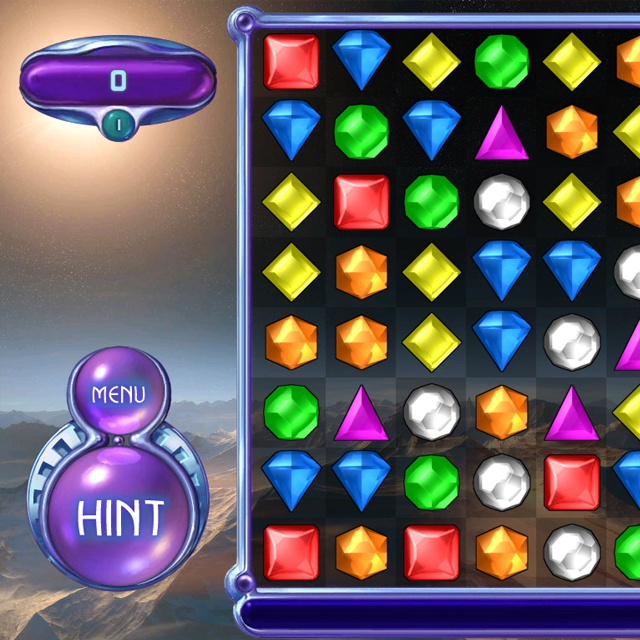
…from the earlier Bejeweled (2001), which gave it a jewel theme…
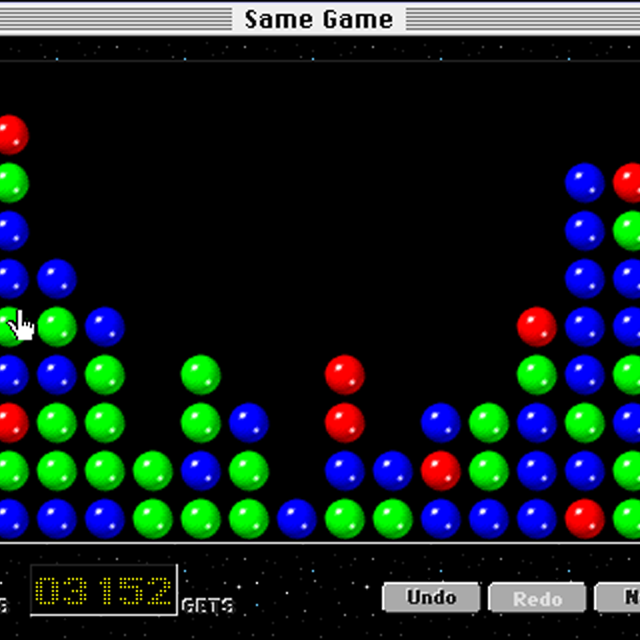
…from the simpler SameGame (1985), which outright stole it from…
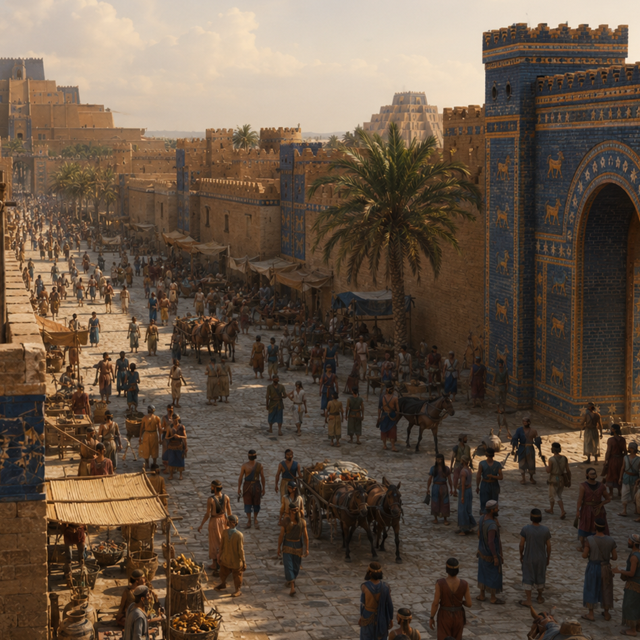
…the Babylonians, probably.
Candy Crush reinvented the match-3 mechanic with their trademark candy theme…
…from the earlier Bejeweled (2001), which gave it a jewel theme…
…from the simpler SameGame (1985), which outright stole it from…
…the Babylonians, probably.
And Candy Crush is far from alone! Here are a few more hugely successful casual games that were built on the traditions of previous games. Note that in each case, although the core mechanic was often copied directly, the surrounding style, storyline, and overall vibe of the new game was so different that it was accepted by players as a legitimately new experience:
- Angry Birds: Built on Crush the Castle
- Words with Friends: Clone of Scrabble
- FarmVille: Modeled on Farm Town
- Subway Surfers: Adopted Temple Run mechanics
- Survivor.io: Copied Vampire Survivors, inspired by Magic Survival
Ideas for game mechanics can be found, of course, anywhere games are played. Check out the leaderboards and see what’s most popular on:
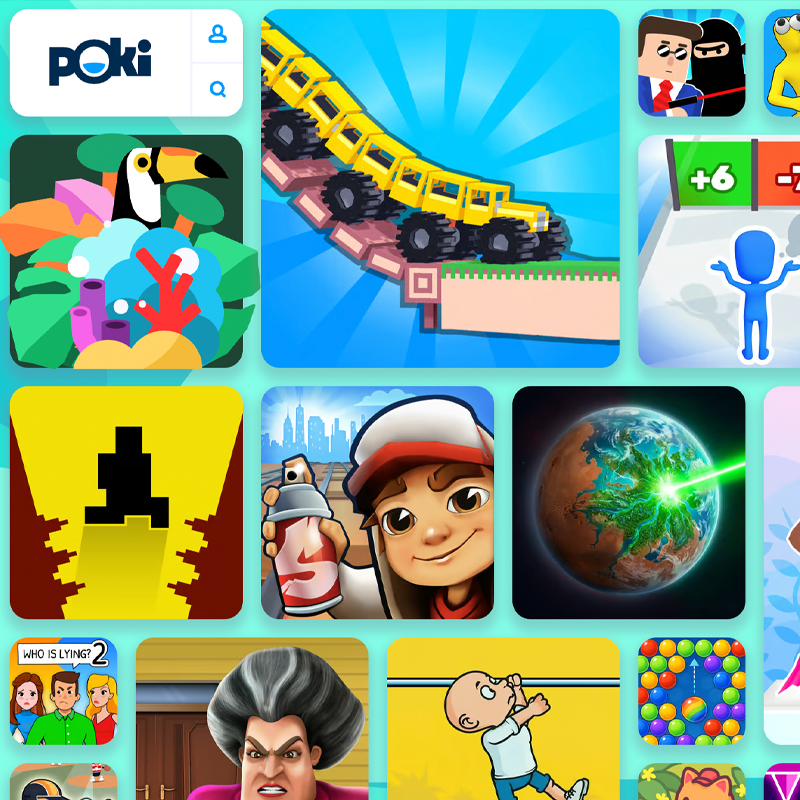
Online Gaming Sites
Look for Popular or Trending sections.
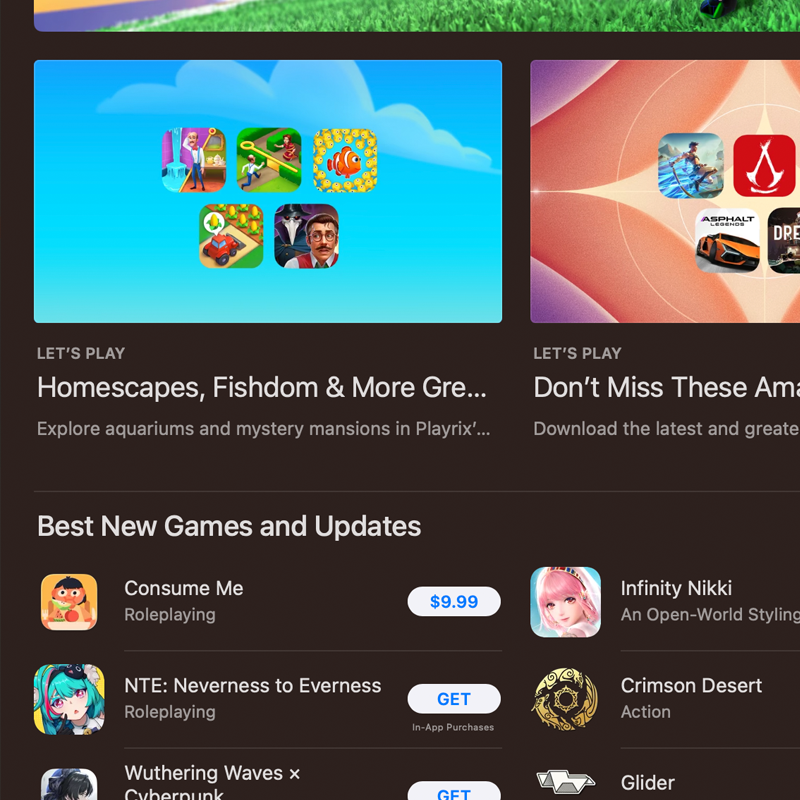
App Stores
Keep an eye out for top downloads and 5-star reviews.
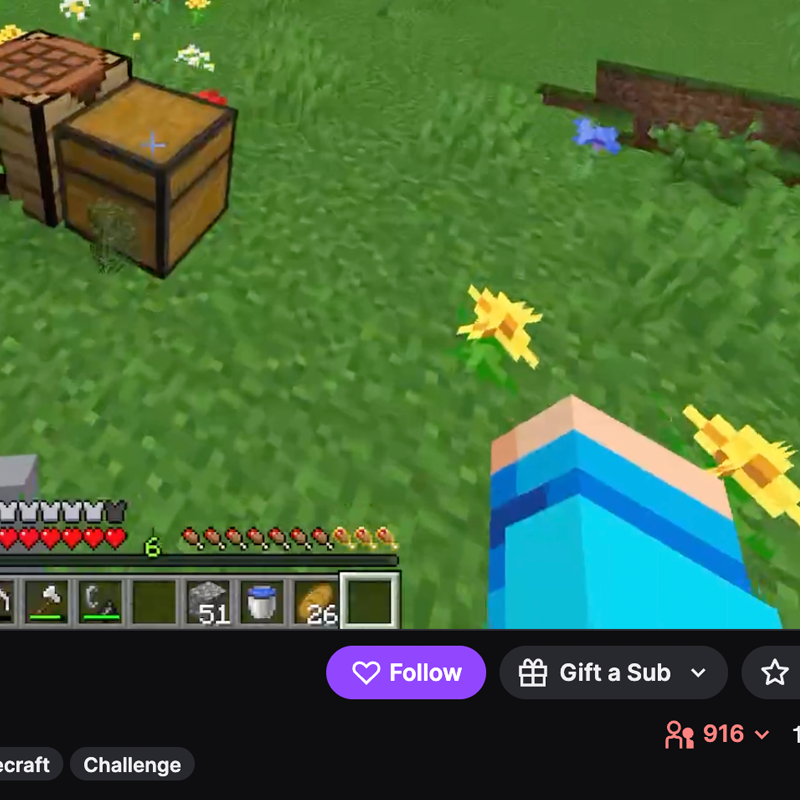
Video and Streaming
Which games are most popular among streamers on platforms like Twitch, or creators on YouTube and TikTok?
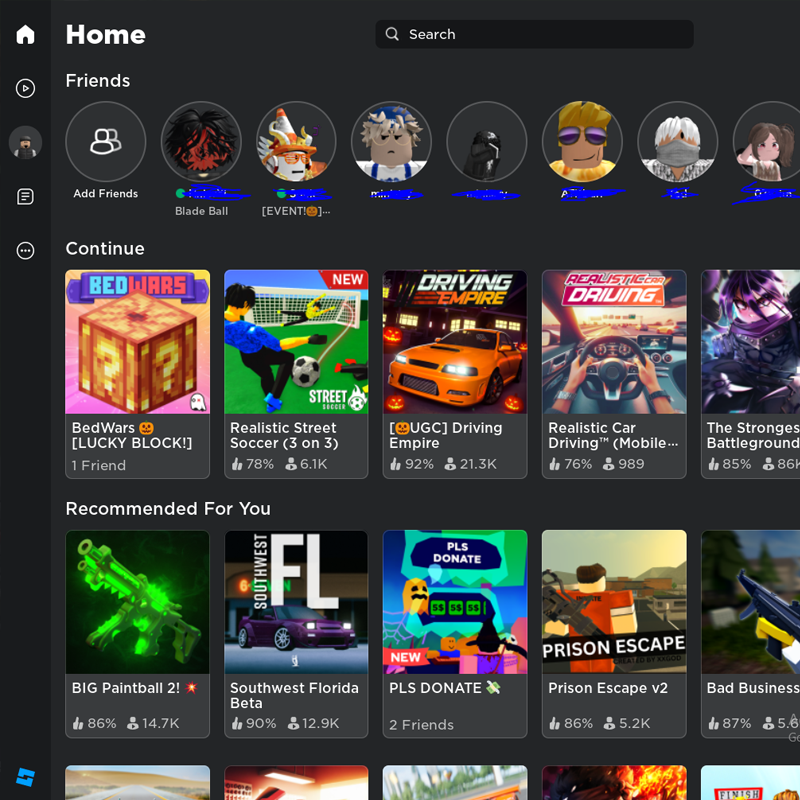
Gaming Platforms
Where are the biggest crowds converging on platforms like Roblox and UEFN?
More and more, casual game designers are looking to platforms like TikTok and YouTube shorts for fresh ideas. Think about ASMR slicing, power washing, DIY crafting, or color mixing videos: they’re popular, easy to understand, and often extremely satisfying. If only they were interactive…!
Found a viral video about pet grooming or dough stretching that zillions of people are watching? It could be the next big game mechanic. As an exercise, try designing a game around it.

Would you play this? Because I would totally play this.
The 70/20/10 adaptation strategy
If you’re looking for an easy way to break down the adaptation process, consider the 70/20/10 strategy:
In case you need help visualizing three numbers, your struggles will continue as this diagram is not to scale.
70%: Borrowed from a successful formula
This might include core mechanic, key features (like classic power-ups or obstacles), and the overall game progression.20%: Structural improvement
Could the original be better? Does the difficulty spike in awkward ways? Do certain parts of the game drag? Is the interface messy?10%: Something completely original
How is your game’s theme, style, or look different? What about new features or bonuses?Copying a game mechanic doesn't mean creation is easy
Just because game mechanics are often copied or adapted from existing games doesn’t mean your job has been done for you! In fact, adapting a game concept is a challenge in its own right, especially on Astrocade, which tends to require simplification.
99 Nights in the Forest is a great example. Roblox and Astrocade are vastly different platforms, so a straight copy was never a possibility. Instead, significant thought went into distilling the expansive 3D original to a smaller, 2D form that could be played in under an hour on a phone.
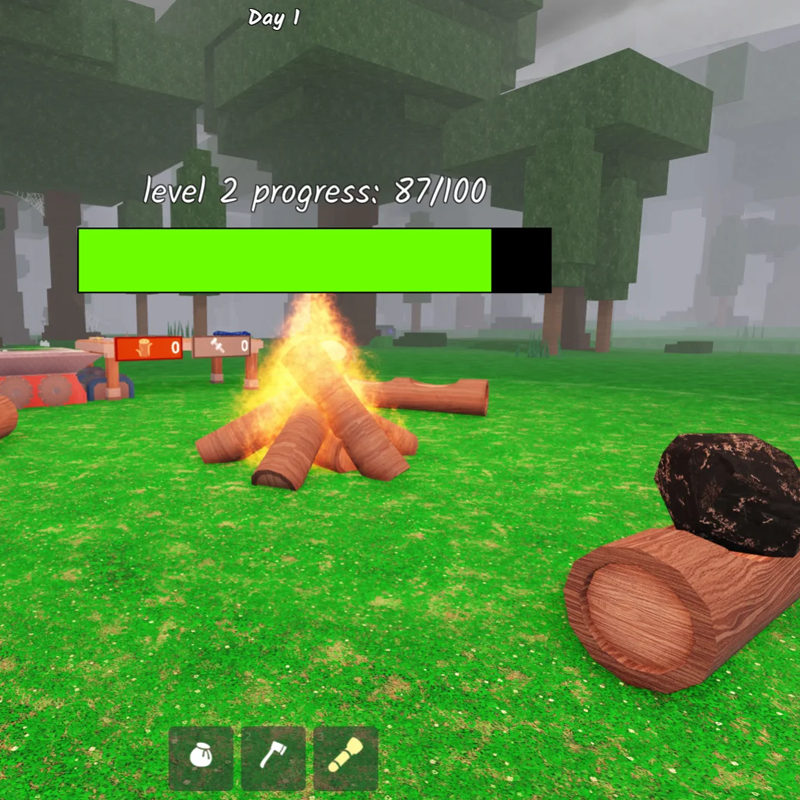
The original Roblox 99 Nights in the Forest
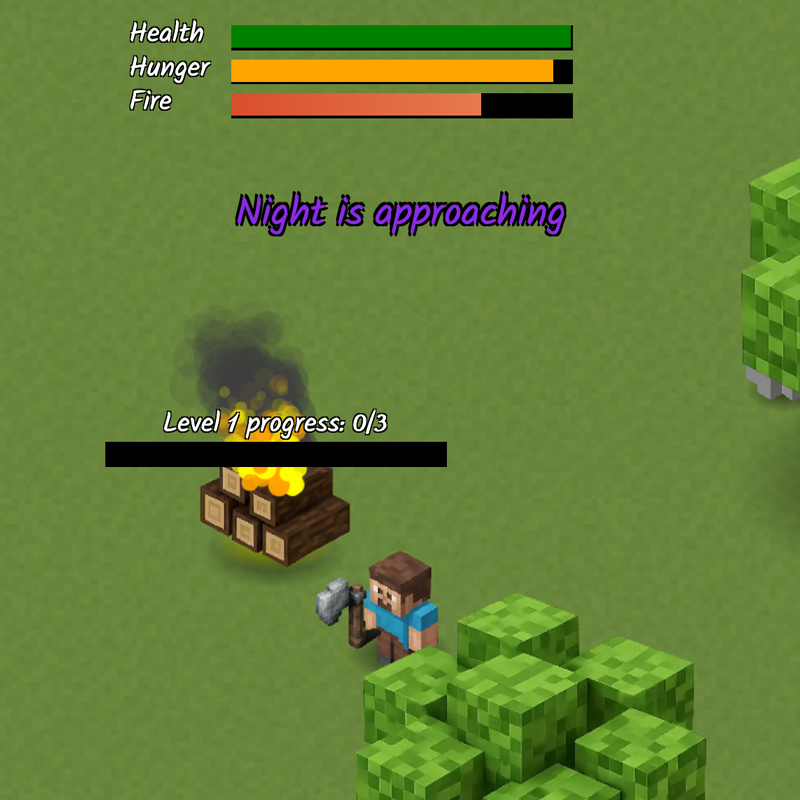
The Astrocade remake
The original Roblox 99 Nights in the Forest
The Astrocade remake
Putting it all together
Now that we’ve got our bases covered with the core mechanic, let’s look at the actual steps that kick off the creation of an entire game:
- Inspiration: Discover a core idea from one of the sources we’ve covered here.
- Adaptation: Take a first stab at adapting that core—and only the core mechanic—into a playable demo within Astrocade. Do not yet add features, styling, or polish.
- Testing: Find out from real players whether you’re on the right track. If people aren’t already having fun, don’t move to the next step until they are. We’ll talk about how exactly to do this in the next section.
- Refinement: It’s only here, when we have a playable, tested game mechanic in good shape, that we begin building the layers around it. The remainder of this course will pick up here.

Onward, cadet! To the exercises!
Exercise
Start planning your game!

Click here
Check out the sources of inspiration covered in this lesson to find a game mechanic to base your next game on. For the purposes of this class, it’s important you pick something popular. Next, begin documenting your idea by filling out the attached template for a Game Design Document, or GDD.
Answer the three questions under The Basics with a short sentence each:
- Which game mechanic did you choose, and which game inspired it?
- What original theme do you envision building around this mechanic? For example, you might set a Tetris game in a haunted house, or make a block-breaking game about different kinds of chocolate.
- How do you think you’ll have to simplify/adapt it for Astrocade?
Quiz
Lesson Recap
Click here
Finally, to complete this lesson, check out the linked form for a simple recap quiz that tests your knowledge of this lesson’s most important concepts.
Don’t worry, it’s easy (and open book 👀)!